Finding the appropriate fitness club can be a daunting task, particularly given the numerous options available. Whether one is new to the gym environment or an experienced athlete, it is crucial to identify what aligns with one’s lifestyle and objectives. This guide will explore essential factors such as location, facilities, and costs, while also examining the diverse types of fitness clubs-ranging from traditional gyms to boutique studios and online programs. Additionally, it will provide insights on how to assess individual fitness needs to ensure the selection of a club that facilitates enjoyment and promotes personal growth.
Factors to Consider When Choosing a Fitness Club
When choosing a fitness club, there are several factors that can greatly influence your overall experience and success in reaching your fitness goals. Key considerations include the workout environment, convenience of location, available amenities, and the variety of membership options.
A reputable fitness club should provide a diverse selection of exercise classes, access to qualified personal trainers, and the support of an engaged fitness community to help maintain motivation.
Additionally, understanding the cost structure, hygiene standards, and member reviews can offer valuable insights into the quality and culture of the gym, ensuring that it aligns with your personal preferences and fitness journey.
Location and Convenience
The location and accessibility of a fitness club are critical factors in determining an individual’s ability to consistently attend workouts and maintain an active lifestyle.
When selecting a gym, it is essential to consider aspects such as proximity to one’s home or workplace; a shorter commute can significantly enhance the likelihood of regular attendance. The availability of parking options is also important, as it can alleviate the stress associated with locating a parking space prior to a workout, thereby enhancing the overall experience.
For parents, the presence of childcare services can be transformative, allowing them to concentrate on their fitness goals without the concern of arranging care for their children.
Collectively, these factors contribute to an environment conducive to motivation, ultimately facilitating the achievement of personal fitness objectives.
Facilities and Equipment
Evaluating the facilities and equipment at a fitness club is crucial for ensuring the effective pursuit of fitness goals within a safe and enjoyable environment.
Comprehensive amenities significantly enhance the overall workout experience. A quality fitness center typically features a variety of swimming pools, catering to both leisurely activities and intense lap swimming.
Strength training areas equipped with a diverse range of machines and free weights enable individuals to sculpt their bodies effectively. Additionally, cardio machines, including treadmills, ellipticals, and cycling stations, address various cardiovascular needs, thereby encouraging members to remain engaged and motivated.
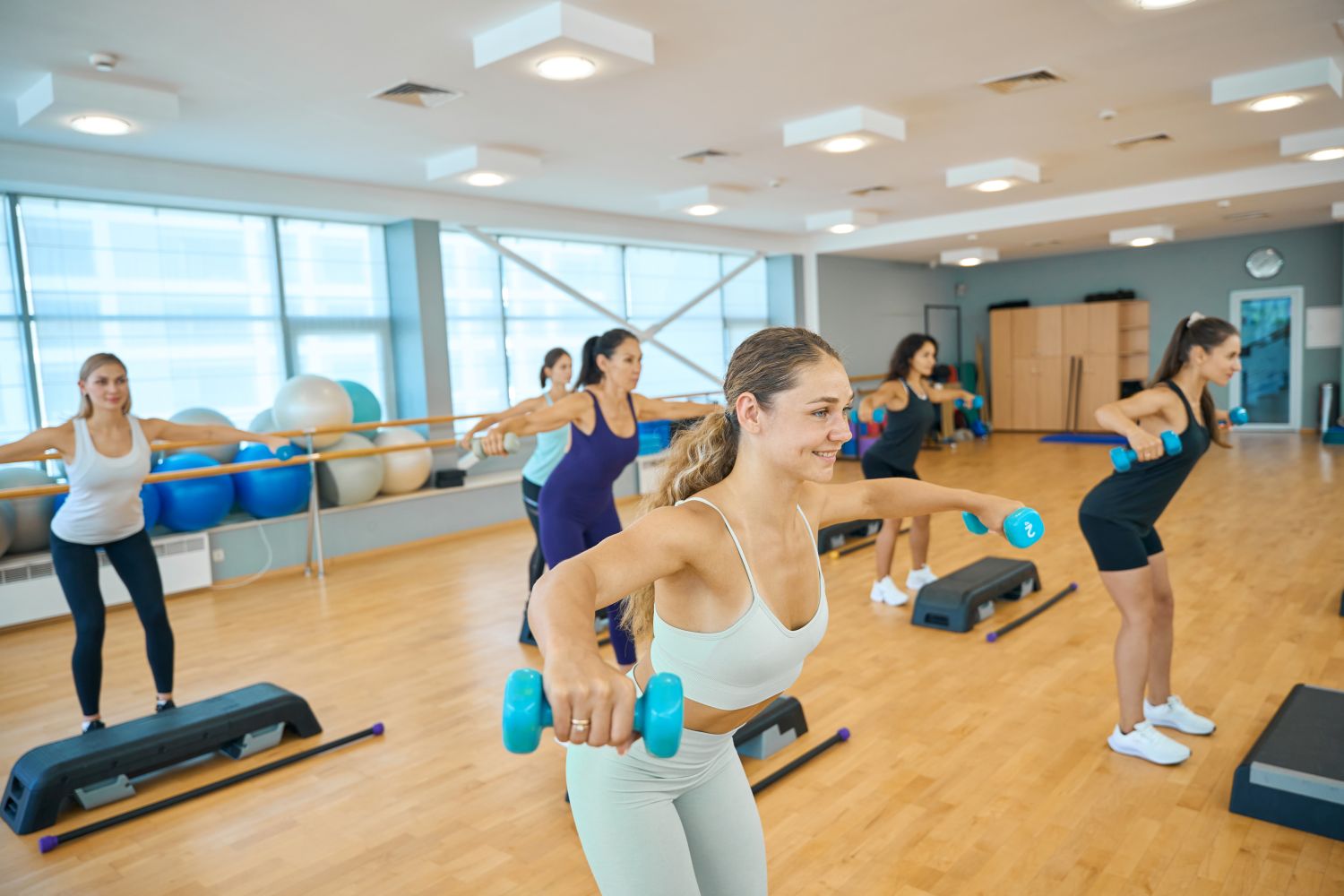
Well-maintained group workout spaces facilitate a range of classes, fostering a sense of community among patrons. High standards of equipment quality and hygiene are essential, as they not only ensure user safety but also enhance confidence in the facilities.
When a fitness club prioritizes cleanliness and the maintenance of its equipment, patrons are more likely to experience a rewarding and motivating workout journey.
Cost and Membership Options
Understanding the cost and membership options available at a fitness club is essential for making an informed decision that aligns with one’s budget and fitness objectives.
Within the realm of fitness memberships, a variety of options are designed to accommodate different lifestyles, including trial memberships for newcomers, flexible monthly plans, and annual memberships that often provide greater value for those with a long-term commitment.
It is imperative for potential members to carefully examine the cost structure, as this greatly influences overall affordability and the likelihood of sustained engagement. Additionally, clarity regarding the cancellation policy plays a significant role in member satisfaction; awareness of the terms and ease of contract termination fosters trust and encourages individuals to pursue their fitness goals without concerns about hidden fees or complications.
When these factors are clearly communicated, they enhance member commitment and contribute to a more positive fitness experience.
Types of Fitness Clubs
The diverse array of fitness clubs available today accommodates a wide range of preferences and workout styles, encompassing traditional gyms, boutique studios, and online fitness programs.
Each option presents its own unique benefits and challenges, allowing individuals to select the environment that best aligns with their fitness goals and lifestyle.
Traditional Gyms
Traditional gyms are typically distinguished by their comprehensive range of equipment and facilities, designed to accommodate individuals across all fitness levels through various membership options.
These establishments generally feature free weights, resistance machines, cardiovascular equipment, and dedicated spaces for classes and functional training. The availability of qualified personal trainers further enhances the experience, providing personalized guidance and motivation to assist members in achieving their specific fitness objectives.
Moreover, the social environment within a traditional gym is pivotal in promoting commitment among individuals. Whether through group classes, personal interactions, or shared workout spaces, the mutual support among members cultivates a sense of community that enhances motivation and accountability, ultimately making the fitness journey more enjoyable and effective.
Boutique Studios
Boutique studios have emerged as prominent alternatives to traditional gyms, emphasizing specialized fitness classes that align with contemporary fitness trends while fostering a strong sense of community support.
These studios provide a diverse range of classes, including:
- Yoga that focuses on mindfulness and flexibility
- Pilates aimed at core strengthening and rehabilitation
- Dynamic dance fitness sessions that create an enjoyable and energetic atmosphere
The intimate settings of these establishments promote personal engagement, enabling instructors to offer tailored feedback and cultivate rapport among participants.
This close-knit environment significantly contributes to member satisfaction, encouraging individuals to connect not only through shared workouts but also by forming lasting friendships. Consequently, members are more likely to remain motivated, engaged, and enthusiastic about their fitness journeys.
Online Fitness Programs
Online fitness programs are transforming the approach individuals take toward their workouts by offering flexibility and accessibility for those seeking to maintain their fitness routines from home or while traveling.
These platforms deliver an integrated experience through applications that synchronize with users’ devices, allowing for seamless tracking of progress and goal setting. A notable feature of these programs is the extensive variety of workout routines available, catering to all fitness levels-from beginners to advanced practitioners.
With the availability of trial classes, users have the opportunity to explore different programs without any commitment, ensuring they select the most suitable option for their needs. This accessibility not only encourages regular exercise but also facilitates valuable fitness education, give the power toing individuals to make informed decisions that align with their personal preferences and aspirations.
Assessing Your Fitness Goals
Evaluating one’s fitness goals is a fundamental step in any successful fitness journey. This assessment aids in understanding the associated health benefits and the strategies required to attain these objectives.
Identifying Your Fitness Needs
Identifying one’s fitness needs is crucial for selecting appropriate programs and training modalities that align with an individual’s current fitness level, whether they are a beginner or seeking advanced training.
Considering the unique factors that influence an individual’s fitness journey-such as age, prior injuries, or specific health goals-can significantly inform workout selections. For example, an individual recovering from an injury may necessitate a more cautious approach, emphasizing rehabilitation and gradual strengthening. In contrast, those motivated by weight loss may benefit from high-intensity interval training.
By tailoring the fitness experience to accommodate these personal circumstances, individuals can enhance their motivation and accountability, thereby ensuring sustained commitment to their exercise regimen.
Ultimately, recognizing and addressing these diverse needs cultivates a more enjoyable and effective pathway toward achieving personal health objectives.
Setting Realistic Goals
Setting realistic goals is essential for maintaining motivation and ensuring long-term success in an individual’s fitness journey, as it establishes a clear path toward achieving desired outcomes.
By breaking these goals down into smaller, achievable milestones, individuals can recognize and celebrate small victories along the way, thereby reinforcing their commitment. Engaging accountability partners can significantly enhance this process; having someone with whom to share progress or participate in workouts can provide the necessary encouragement to continue advancing.
Participating in fitness challenges often introduces an element of excitement and camaraderie, transforming the journey into a more enjoyable experience. This communal aspect not only enhances motivation but also solidifies one’s commitment to personal fitness goals, making success feel attainable and less isolating.
Tips for Finding the Right Fit
Identifying the appropriate fit for one’s fitness journey necessitates a thorough evaluation of various factors. This includes exploring facilities through trial memberships and obtaining recommendations from trusted sources.
Trial Memberships and Classes
Utilizing trial memberships and trial classes provides potential members with the opportunity to assess a fitness club’s offerings and determine whether they align with their personal fitness goals.
By engaging in various programs, individuals can identify which classes resonate with their interests and preferences, thereby enhancing their overall fitness experience. With access to a diverse range of workouts, including high-intensity interval training and restorative yoga sessions, individuals can discover the most suitable options for their unique needs.
Reviewing member feedback serves as an invaluable resource in this decision-making process, offering insights into the quality of instruction and the general atmosphere of the facility. This comprehensive understanding give the power tos individuals to make informed choices, ensuring that when they commit to a membership, it effectively supports their aspirations.
Asking for Recommendations
Seeking recommendations from friends, family, or colleagues can yield valuable insights into the atmosphere and community support of a fitness club, thereby increasing the likelihood of finding a suitable match.
These personal connections often result in authentic testimonials and unique experiences, offering a comprehensive perspective on what one might anticipate when joining a particular gym or fitness program.
When individuals share their genuine narratives of motivation and engagement, it cultivates trust and provides prospective members with a sense of belonging even prior to their first visit.
A positive social environment-characterized by encouragement and camaraderie-can significantly enhance an individual’s motivation to engage in fitness activities.
This transformation of the fitness journey extends beyond physical improvement, fostering the development of meaningful relationships that encourage consistent and passionate participation.
Considering Your Personal Preferences
Considering personal preferences is crucial in ensuring that the fitness club one selects aligns with individual workout variety and training styles, which ultimately influences commitment levels.
When individuals take the time to reflect on what genuinely inspires them in their fitness journey, they are more likely to discover a community that not only enhances their workout experience but also promotes long-term dedication.
Each person possesses unique motivations, whether it is the exhilaration of group classes, the tranquility of yoga, or the intensity of strength training. By choosing a club that resonates with these distinct motivations, memberships become more enjoyable, fostering consistent attendance and progress.
Furthermore, engaging with a supportive community that shares similar interests can significantly enhance enthusiasm and accountability, creating a fulfilling environment that transforms fitness into a lifestyle rather than merely a chore.